Understanding the Russian Snow Storm of 2026
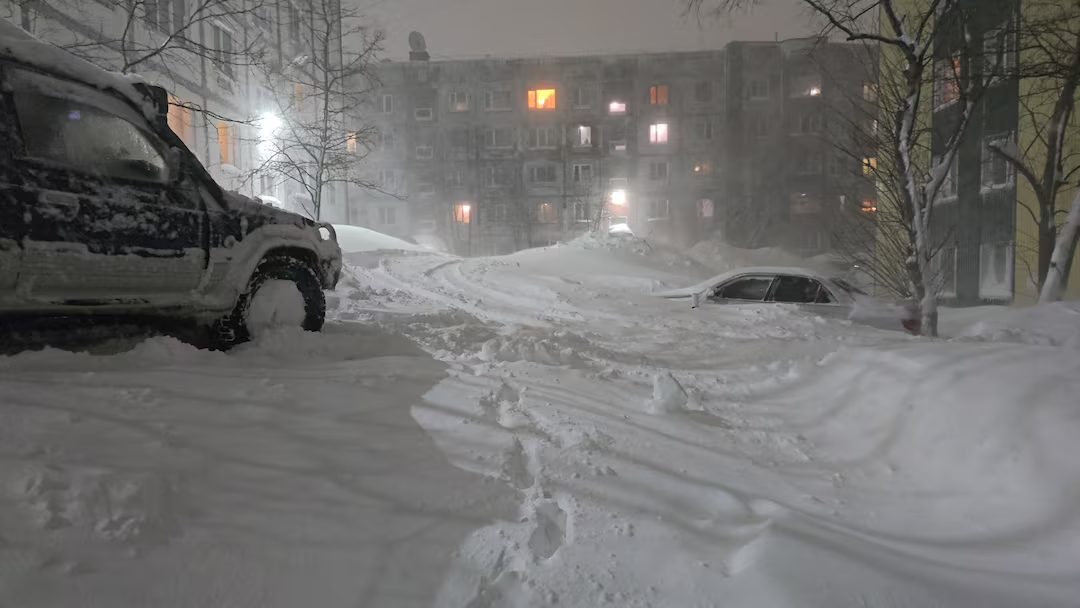
russian snow strom 2026 stands as one of the most significant meteorological events in recent history, affecting vast swaths of the country with severe weather conditions. The storm predominantly impacted the Siberian region, including cities such as Novosibirsk and Irkutsk, but its influence reached as far as the western parts of Russia. The storm was characterized by heavy snowfall, freezing temperatures, and gusty winds, culminating in whiteout conditions that rendered large areas virtually inaccessible.
The severity of the storm was compounded by a series of meteorological factors that converged to create an ideal environment for such a natural disaster. A strong cold front originating from the Arctic collided with warm, moist air from the south, leading to intense snowfall rates and significant accumulation. In some areas, snow levels reached unprecedented heights, with reports of up to three meters of snow in affected regions, causing disruptions to transportation and power supplies.
The timeline of the Russian Snow Storm of 2026 began to unfold in early February when weather forecasts indicated a shift in the atmospheric conditions. Initially predicted to be a moderate weather disturbance, the storm rapidly intensified, prompting authorities to issue warnings. By mid-February, the situation had escalated, resulting in widespread closures of roads, schools, and businesses. Emergency services worked tirelessly to respond to the demands posed by the storm, while residents were advised to remain indoors until conditions improved.
Throughout its progression, the russian snow storm 2026 highlighted the challenges faced by local governments and communities in dealing with severe weather events. As the storm waned, discussions emerged surrounding the need for improved preparedness and response strategies to mitigate the impacts of future storms.
Impact on Daily Life and Infrastructure
The Russian Snow Storm 2026 has had profound implications for daily life and infrastructure across various regions. As the storm swept through, it caused significant disruptions to transportation networks, notably affecting road conditions, rail services, and air travel. The accumulation of heavy snow not only rendered roads impassable but also posed dangers for commuters and deliveries. As a result, many towns and cities experienced extended delays, straying further from normal activities.
Emergency services faced considerable challenges as they worked to respond to the crisis. With limited accessibility due to the snow-covered roads, rescue operations were significantly hindered. Authorities had to prioritize their responses amid increasing demands for assistance, often resulting in delayed medical emergencies and urgent calls. The infrastructure strained by the storm also raised concerns about the overall readiness of communities to address such extreme weather events.
Public utilities bore the brunt of the storm’s effects, with widespread power outages reported in numerous areas. As electrical systems struggled to cope with the weight of the snow, households and businesses were left without electricity, impacting heating and crucial services. This disruption had a cascading effect on local businesses, many of which were forced to close temporarily, leading to financial difficulties. Schools also faced significant challenges as closures disrupted educational plans and schedules, contributing to a sense of uncertainty in the lives of students and parents alike.
Healthcare facilities faced unique obstacles during and after the Russian Snow Storm 2026. The impact on transport made it difficult for patients to reach medical services while restricting medical staff’s ability to commute to work. Additionally, the increased number of patients needing urgent care due to storm-related injuries added stress to already burdened healthcare systems. Communities are now grappling with the process of recovery, facing the daunting task of rebuilding their infrastructure and helping residents return to their daily routines.
Government and Community Response
The Russian snowstorm in 2026 presented an unprecedented challenge for both government authorities and local communities. In response to the severe weather conditions, emergency measures were swiftly implemented to ensure the safety and well-being of russian snow storm 2026 the affected populations. Authorities established emergency operation centers across the most impacted regions to facilitate coordinated responses and efficient resource distribution.
Evacuation procedures were a critical element of the government’s strategy. Predictive models indicated the potential for life-threatening conditions, prompting preemptive evacuation orders for vulnerable communities. Local authorities mobilized resources to assist those displaced, ensuring that transportation options were available for safe relocation to designated shelters. These shelters were strategically located to provide warmth and basic necessities, including food, medical assistance, and psychological support for those traumatized by the experience.
Additionally, the restoration of transportation infrastructure became a priority following the snowstorm. Road clearing crews worked around the clock to ensure the safe passage of emergency services and aid delivery. Authorities also coordinated with utility companies to expedite repairs to power lines and gas supplies that had been disrupted by the harsh conditions. The resilience of local communities was evident, as many citizens volunteered to help their neighbors, assist in shelter operations, and provide food and comfort to those in need.
Community organizations played an essential role in this response, stepping in to offer assistance where the government resources were stretched. Various local NGOs russian snow storm 2026 mobilized their networks to provide aid, including winter clothing and hygiene products, directly addressing immediate needs. They also facilitated communication among residents, fostering a spirit of solidarity that was crucial during the crisis. Together, the efforts of government entities and community organizations highlighted the importance of collaborative action in the face of adversity and ensured that many lives were safeguarded during the 2026 snowstorm.
Lessons Learned and Future Preparedness
russian snow storm 2026 serves as a stark reminder of the importance of robust disaster preparedness and response strategies. One of the primary lessons learned from this severe winter event is the necessity for improved meteorological predictions. Accurate forecasting plays a crucial role in enabling governments and agencies to take timely action. Investment in advanced meteorological technology can enhance predictive capabilities, allowing for more precise warnings related to future snowstorms and associated weather phenomena.
Another significant takeaway from the 2026 snowstorm involves infrastructure resilience. It became evident that many local infrastructures were insufficiently prepared to withstand such extreme weather conditions. Investing in stronger construction practices and ensuring that essential services, such as power and transportation networks, are more durable can significantly reduce the adverse impacts of similar future storms. Enhancing the ability to quickly restore services post-disaster is equally vital, as it directly affects community recovery.
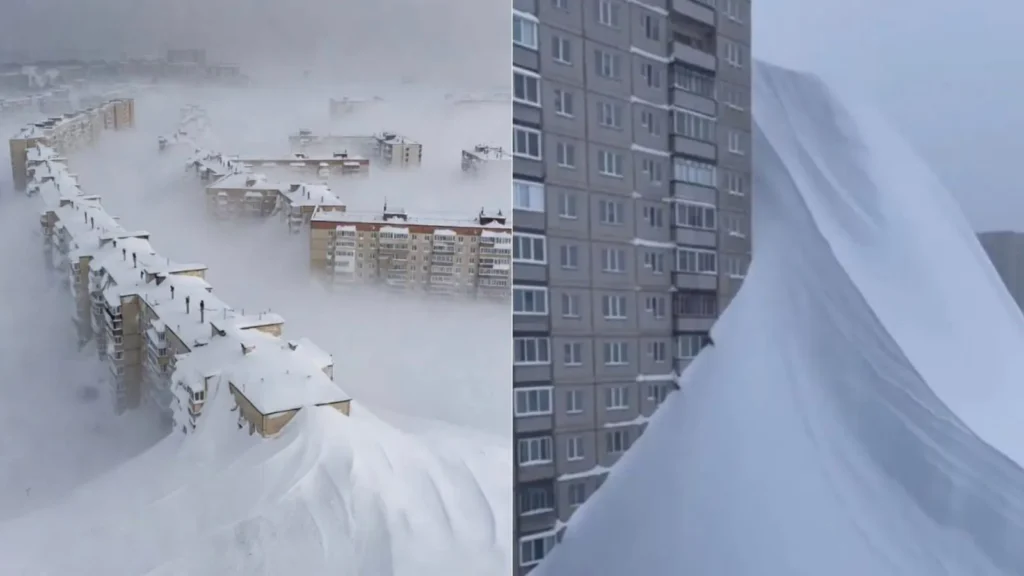
Community awareness and preparedness are also crucial components in mitigating the effects of any major snow storm, including those similar to the Russian snow storm of 2026. Programs aimed at educating the public about emergency protocols, snow safety, and resources available during extreme weather should be prioritized. By fostering a culture of preparedness, communities can significantly improve their response capabilities during emergencies. The establishment of local response teams equipped with necessary training and resources can further enhance collective russian snow storm 2026 resilience and safety.
In conclusion, the lessons learned from the Russian snow storm of 2026 should guide future disaster preparedness efforts. By focusing on better meteorological predictions, resilient infrastructure, and community preparedness programs, society can reduce the risks posed by severe weather events and enhance overall safety and security in the face of adversity.